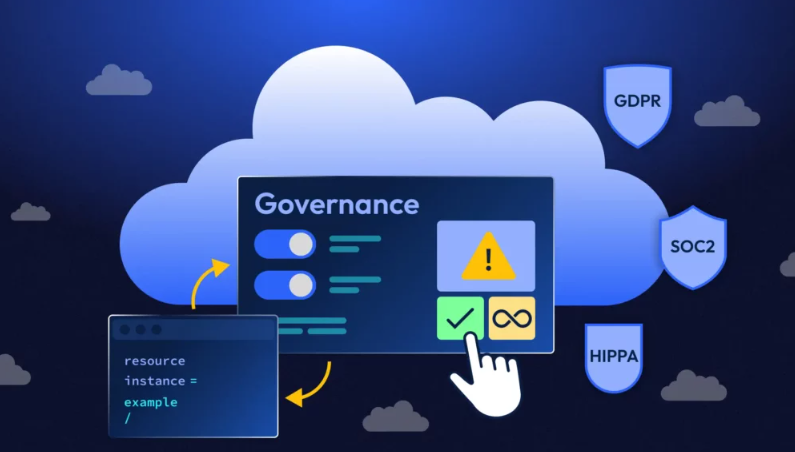

Governance reframes cloud risk as a systemic concern rather than a collection of incidents. It enforces repeatable controls across people, processes, and technology, creating clear roles and decision rights. Automated, least-privilege access and continuous anomaly detection curb drift. Metrics and cadence translate risk into accountable actions and timely responses. The balance of guardrails and innovation matters, and the next step is to confront how these elements are actually implemented. What implications follow for policy, posture, and practice?
What Governance Really Changes in Cloud Risk
Governance reframes cloud risk by shifting emphasis from isolated incidents to systemic controls and repeatable processes. In this perspective, risk framework provides structured assessment across people, processes, and technologies, enabling proactive oversight.
Policy alignment ensures consistent decision rules and accountability. This approach reduces variability, clarifies ownership, and supports freedom to innovate within guardrails, fostering resilient, transparent, and controllable cloud operations.
See also: techoelitecom
How to Build a Risk-Aware Governance Model
A risk-aware governance model begins by articulating how governance structures translate risk insights into repeatable, auditable practices across people, processes, and technology.
The model lines up roles, accountability, and decision rights, enabling proactive control.
It defines governance metrics to measure effectiveness, and embeds continuous improvement loops.
It remains freedom-conscious, balancing autonomy with disciplined, transparent risk management and measurable, actionable outcomes.
Locking in Access, Data, and Monitoring Controls
Is access, data, and monitoring control properly locked down, or do gaps still expose risk across cloud assets? The discussion emphasizes access hygiene and policy enforcement as foundational safeguards.
A governance-driven stance requires automated, auditable controls that deter drift, enforce least privilege, and monitor anomalies.
Proactive measures reduce exposure, empowering teams to act decisively while preserving organizational freedom and resilience.
Measuring Governance Impact on Cloud Security
The assessment remains risk-aware and governance-driven, prioritizing proactive insight over reaction.
A disciplined cadence links controls to outcomes, clarifying compliance posture and strengthening resilience.
Clear incident response visibility reduces blind spots, enabling timely, accountable adjustments while preserving organizational freedom to innovate within a secure, governed framework.
Frequently Asked Questions
How Do Governance Decisions Affect Cost in the Cloud?
The question concerns cost governance: decisions directly shape cloud spend; strict cost governance and ongoing risk assessment allocate resources prudently, avoid waste, and empower freedom through proactive controls that align spending with strategic objectives.
Who Owns Accountability for Governance Failures Across Teams?
Violations reveal that accountability escalation and decision ownership reside with cross-functional leaders, not a single person. A lighthouse keeper metaphor illustrates governance as visibility; when fogs roll in, accountability escalation clarifies duties, enabling proactive, freedom-friendly risk management.
Can Governance Adapt Quickly to Evolving Regulatory Requirements?
Governance can adapt quickly to evolving regulatory requirements through adaptive policies and rapid compliance mechanisms, enabling risk-aware, governance-driven decisions that preserve freedom while ensuring ongoing alignment with new rules and stakeholder expectations.
What Is the Impact on Developer Velocity From Governance Restrictions?
Governance restrictions can dampen developer velocity, creating innovation bottlenecks and compliance friction. A risk-aware, governance-driven stance seeks balance, proactively reducing bottlenecks while preserving freedom to innovate, outlining clear policies, guardrails, and rapid approval pathways for compliant experimentation.
How Do Governance Practices Handle Shadow IT Risks?
“Imagine governance as a compass.” Shadow IT risks are identified, quantified, and monitored; risk quantification informs controls. Proactively, governance teams steer development with clear policies, continuous discovery, and risk-aware measures that empower freedom while reducing shadow IT exposure.
Conclusion
Governance reframes cloud risk from unpredictable incidents to managed processes, with clear ownership and repeatable controls guiding behavior. A striking stat emerges: organizations with formal governance programs report up to 40% faster remediation of security drift than those without. By locking in access, data, and monitoring, and embedding continuous anomaly detection, risk posture improves without stifling innovation. This proactive, risk-aware approach translates policy into accountable action, delivering measurable security outcomes and sustained resilience.